
AI search: from filtering by city to searching by lifestyle
- Discovery
- Market analysis
- Experience rules
- Functional prototype
- Pilot
- 1 sprintfrom discovery to prototype
- 5platforms analyzed
- 83.9%of leads come from mobile
- 6experience rules
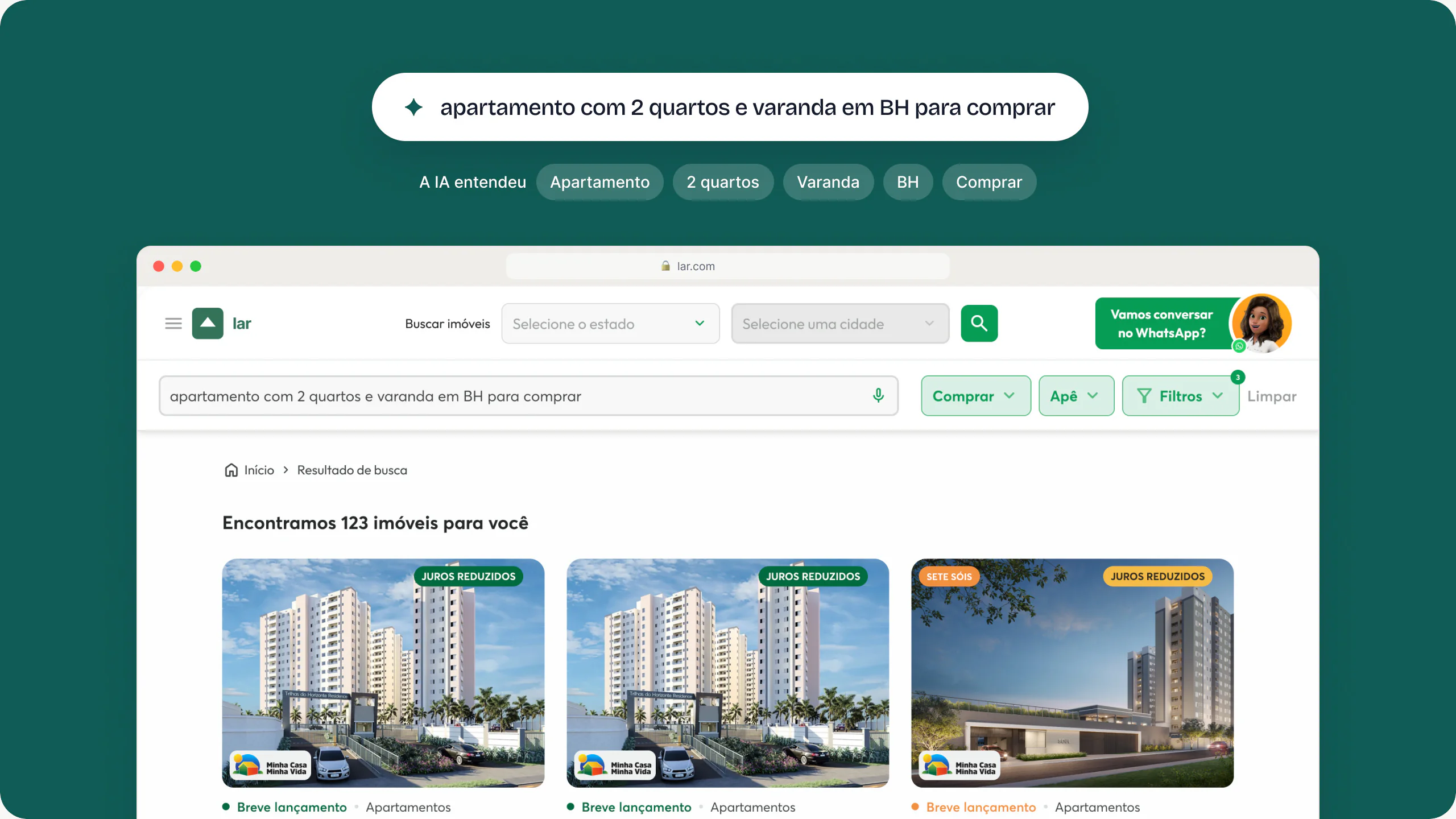
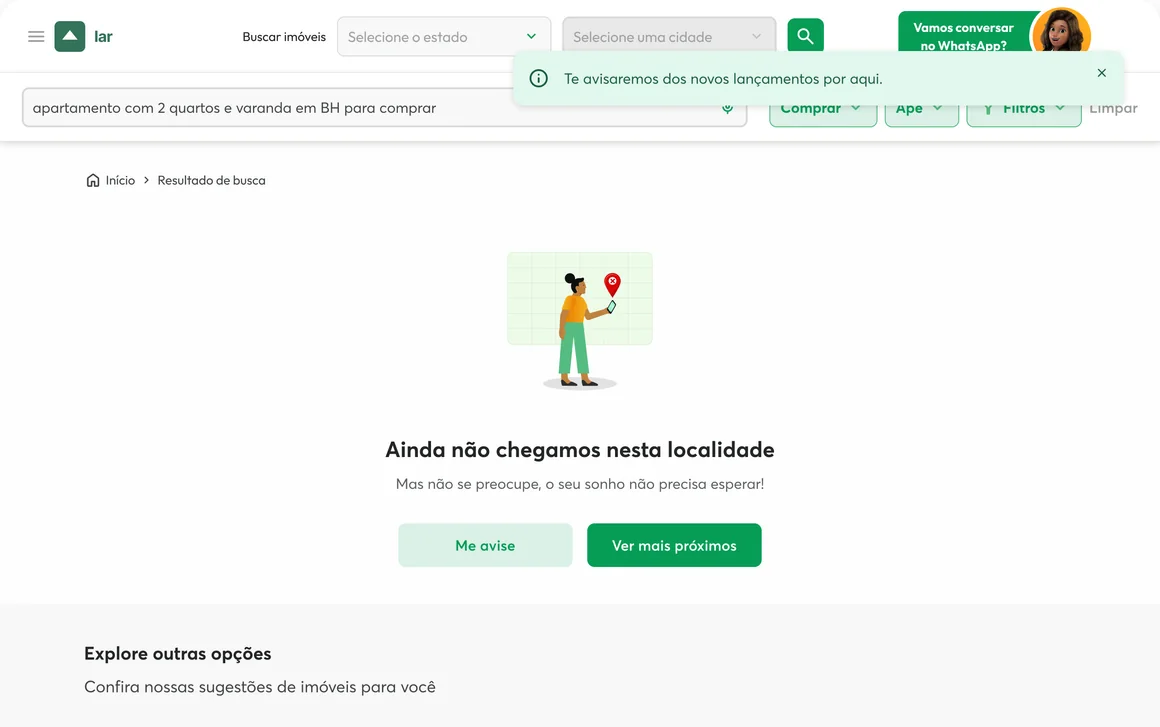
A large real estate developer's website search only worked by state and city, and it failed silently: no error data, just people leaving the site and leads the brokers discarded.
At the same time, the developer wanted to finally deliver a two-year-old request: an AI chat on the website, also as a sign of investment in technology. The chat required more than the team had, so we proposed a middle path.
AI chat
It offered
- Conversational, step-by-step guidance inside the website.
Why it didn't fit
- It required more effort, time and risk than the team had available.
AI search
What we gained
- AI on the website, within the team's capacity.
- Data, for the first time, on what people search for.
- Less risk of a slow experience, like Redfin's chat.
What we gave up
- The conversational guidance.
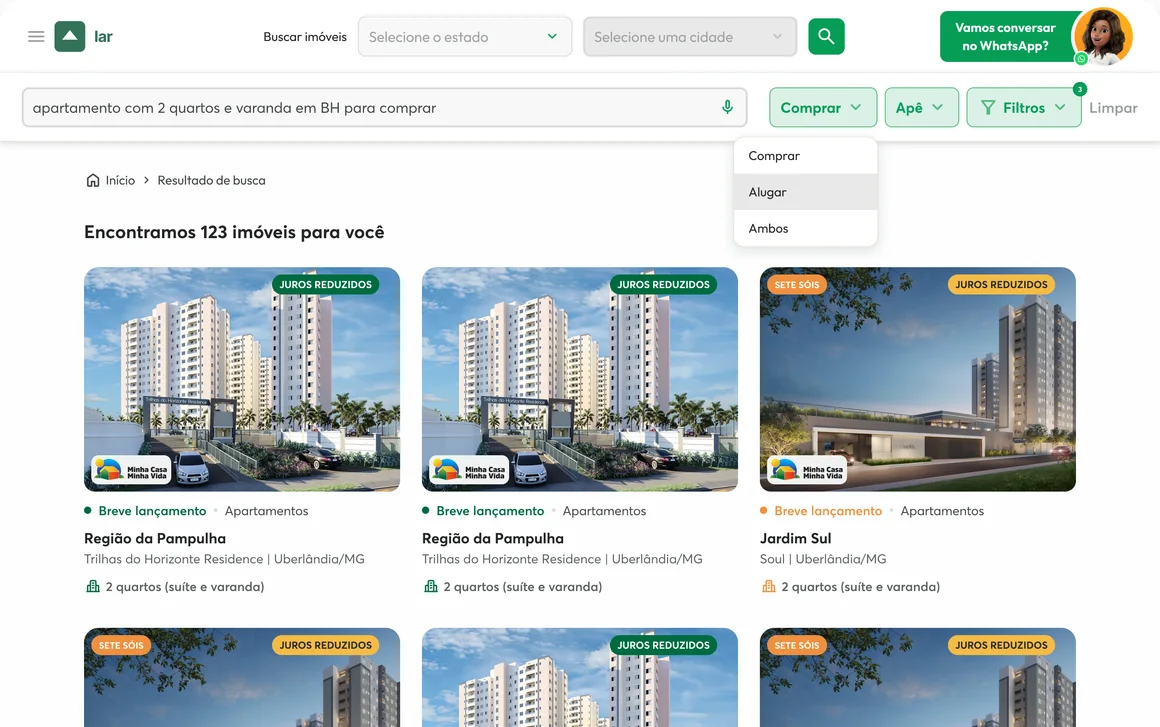
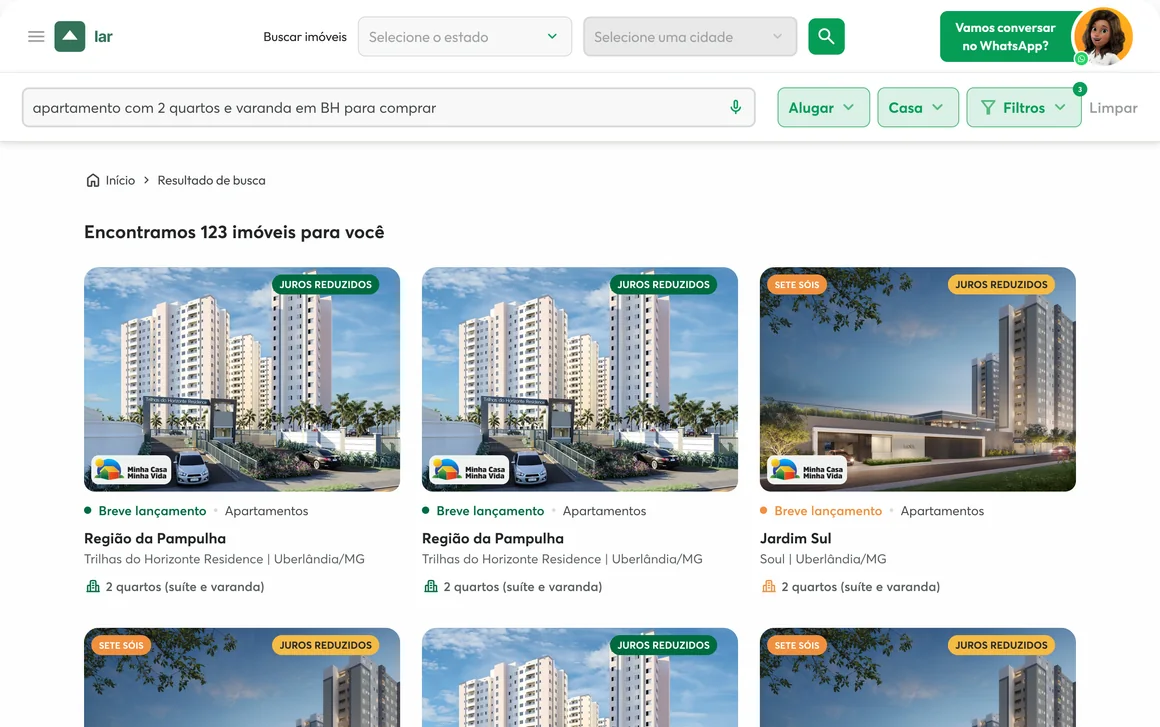
A natural language search: it delivers real AI, without a conversation. The person describes what they're looking for, the AI shows what it understood as editable tags and never leaves them without an answer.
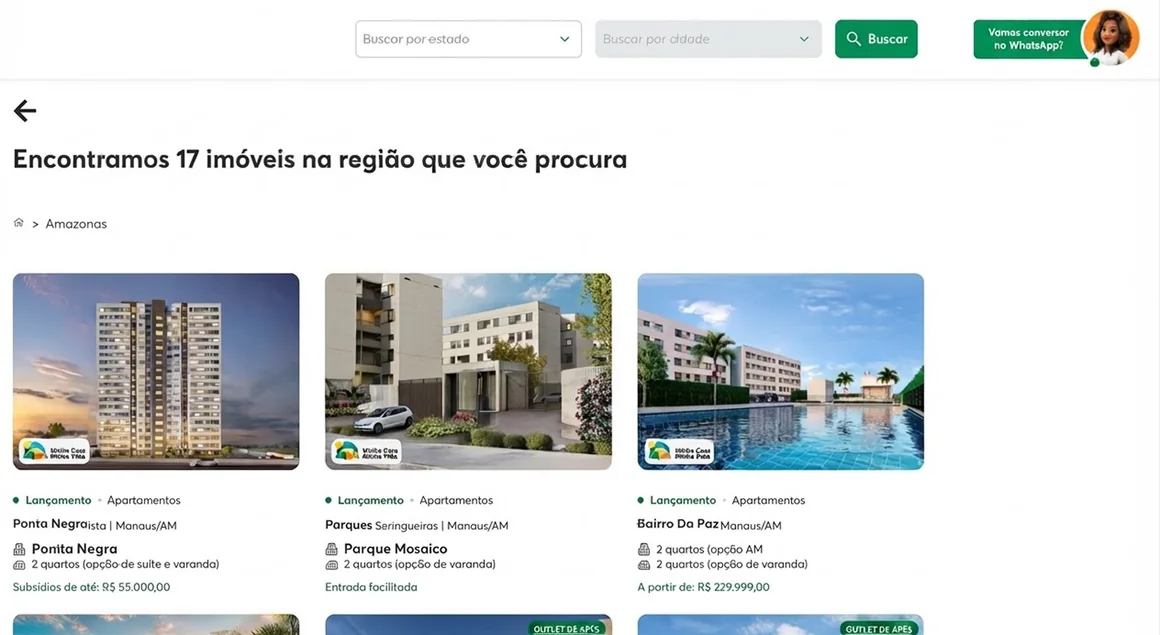
Since the problem was silent and there was no data on the current search, I analyzed 5 market platforms to validate the premises:
DecisionThe AI shows its interpretation and each criterion becomes a removable tagWhy?
DecisionDirect input and response, no conversationWhy?
DecisionAI search gets visual prominence on the home pageWhy?
DecisionThe old search stays available, next to the new oneWhy?
DecisionBottom sheet as an MVP requirement, not a future improvementWhy?
OpportunityVoice search, still unseen in the marketWhy?
OpportunityInstallment, condo fees and property tax within the AI's reachWhy?
A business constraint
The property card and page were out of scope, by business decision. Showing more information there had already caused sales problems, because a card doesn't sell a single home: it sells different floor plans in the same development. So lifestyle and prices wouldn't be shown to people searching.
No changes to the property
What was left out
- Lifestyle and prices on the property card and page.
Why
- A card groups different floor plans in the same development. Too much detail had already caused sales problems.
Data in the backend
What we gained
- Lifestyle and prices registered and searchable by the AI.
- The search filters by what the person actually wants, even without showing it on screen.
- The lead reaches the broker better qualified, even if they still have questions.
What we gave up
- Showing this information to people searching.
I also put it on record with the team: I see value in rethinking how properties are registered and managed, involving other teams if needed.
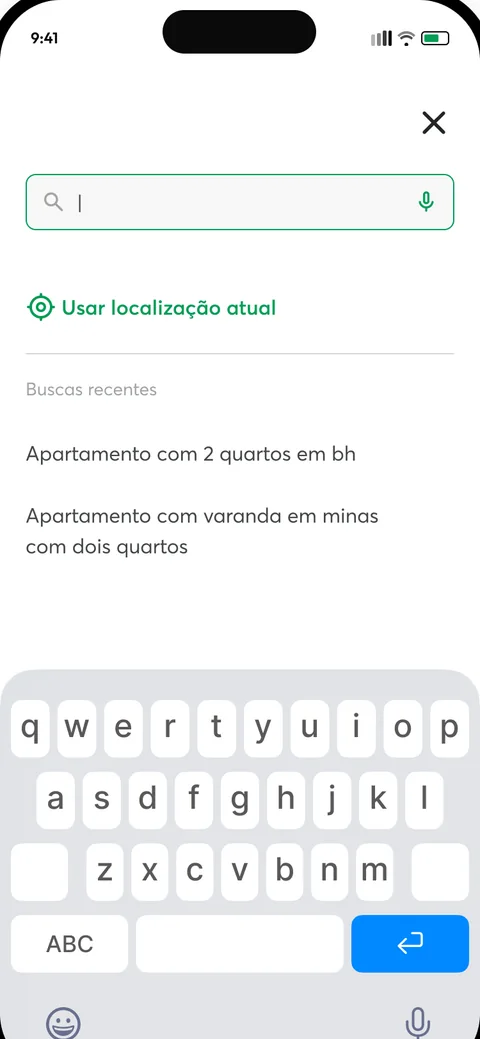
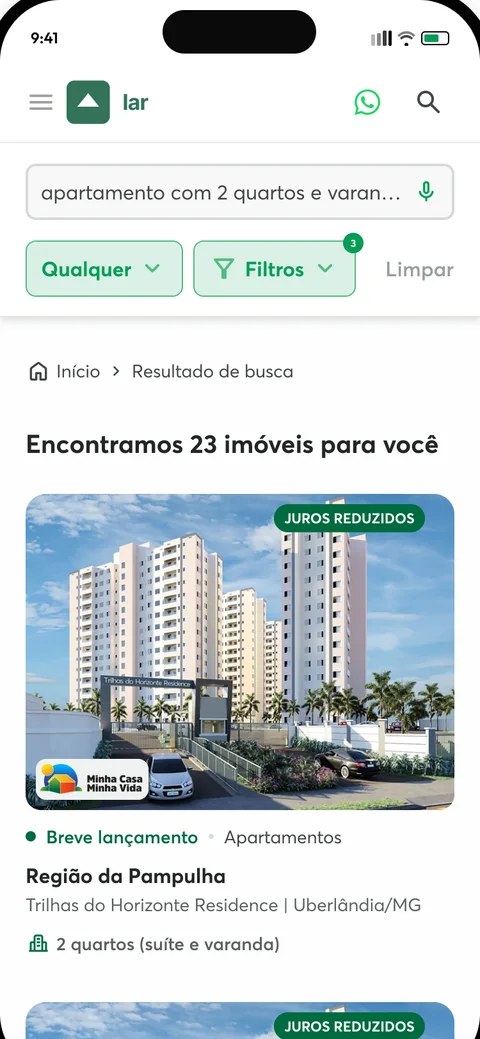
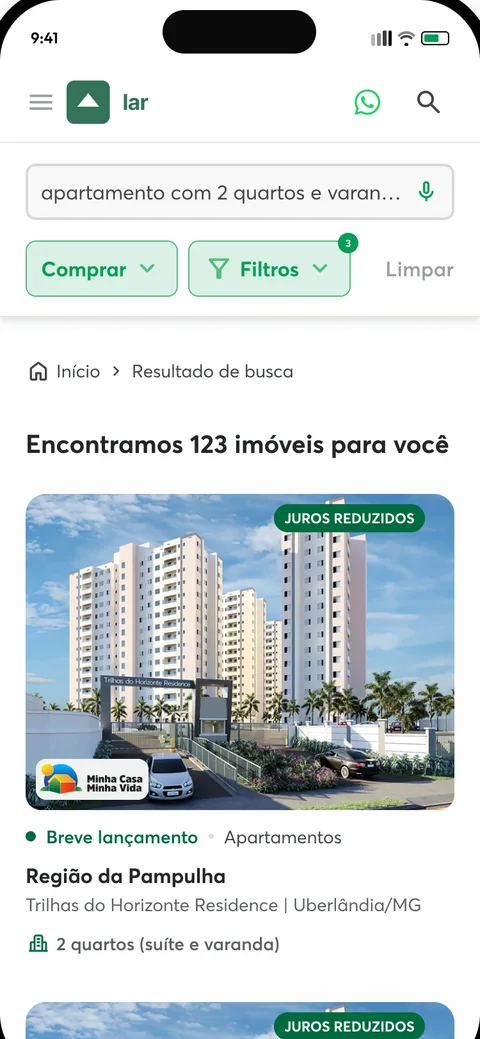
Where we are
- DoneDiscovery
- DoneRules and prototype
- ● In progressPilot in a few cities
- ○ NextValidate and adjust
- ○ NextScale, if positive
Learnings
- Cutting the scope from a chat to a search made it possible to deliver real AI within what the team could do.
- A silent problem needs instruments before solutions: I would measure the current search from the start, to compare before and after.
- When the business locks the interface, you can still win on the data: what doesn't show on screen can work in the search.